What information should I send for encoder selection?
Send the existing model, machine application, controller interface, supply, resolution, turn range, shaft or bore, flange, connector, cable length, environment and quantity.
Encoder selection guide
A practical selection sequence covering measurement type, resolution, interface, mechanics and environment.
DIRECT ANSWER
SELECTION TABLE
Use this table as an initial engineering checklist. Final model configuration must be confirmed against the controller, mechanical drawing and operating environment.
ENGINEERING PROCESS
Describe the movement and required machine behavior after power loss.
Calculate resolution and total turn or travel range.
Match the controller interface, output circuit, supply and update rate.
Confirm housing, shaft, flange, connector, speed and shaft loading.
Define environmental protection and certification requirements.
Approve the complete model suffix, drawing and wiring before ordering.
RELEVANT PRODUCTS
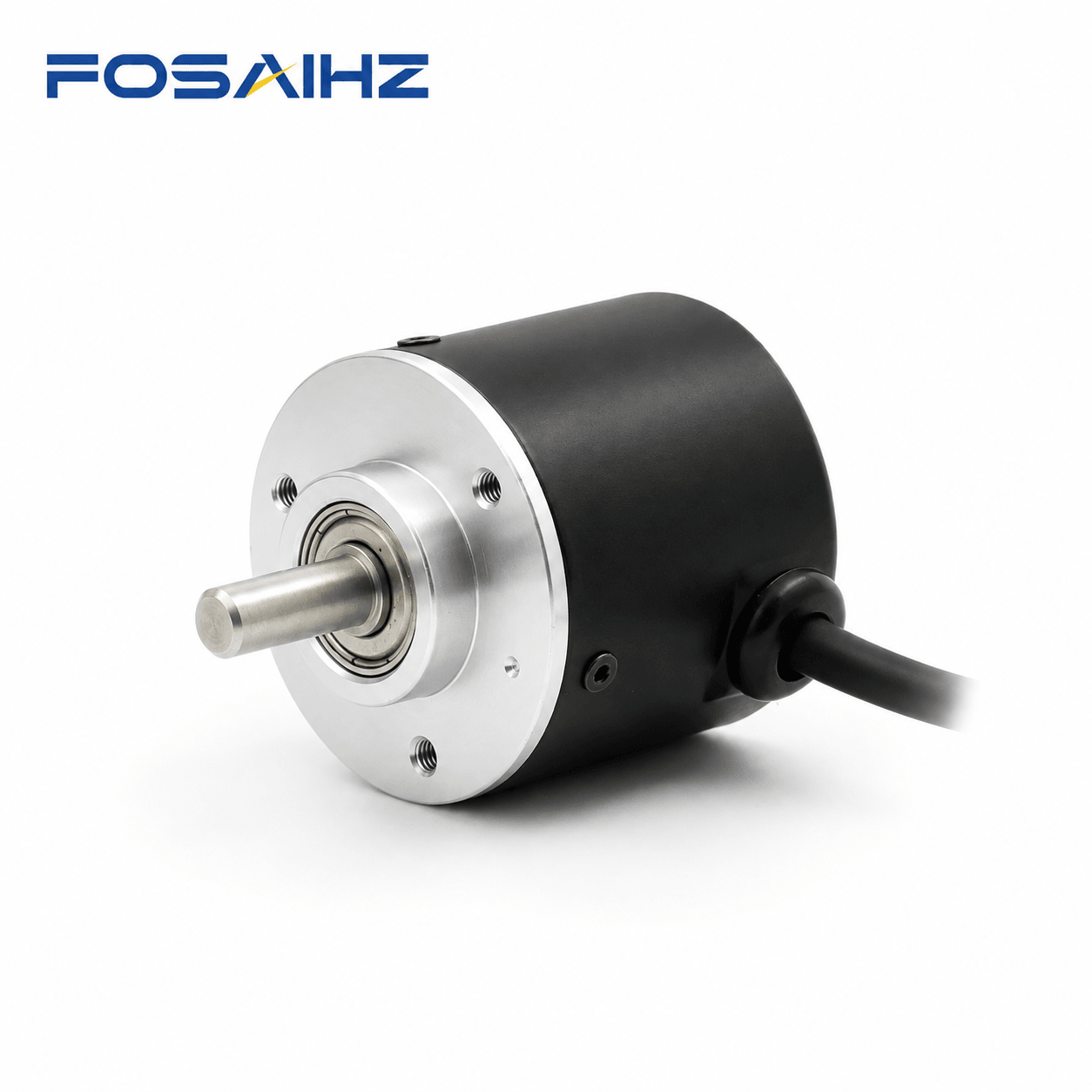
Single-turn or battery-free mechanical multi-turn absolute position feedback with power-off memory and programmable Modbus RTU parameters.
View parameters and drawings →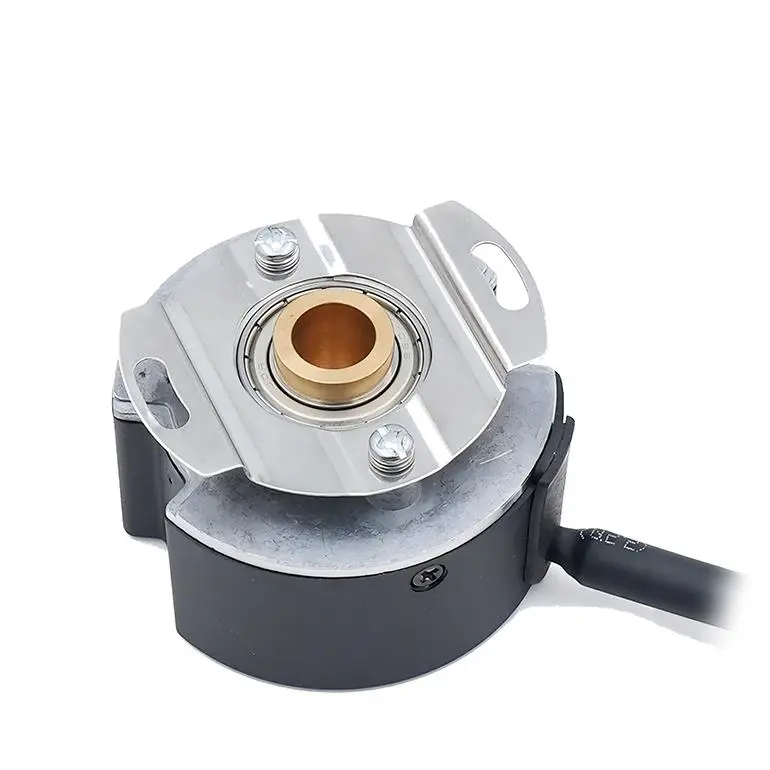
Configurable pulse feedback for speed, direction, counting and relative position measurement.
View parameters and drawings →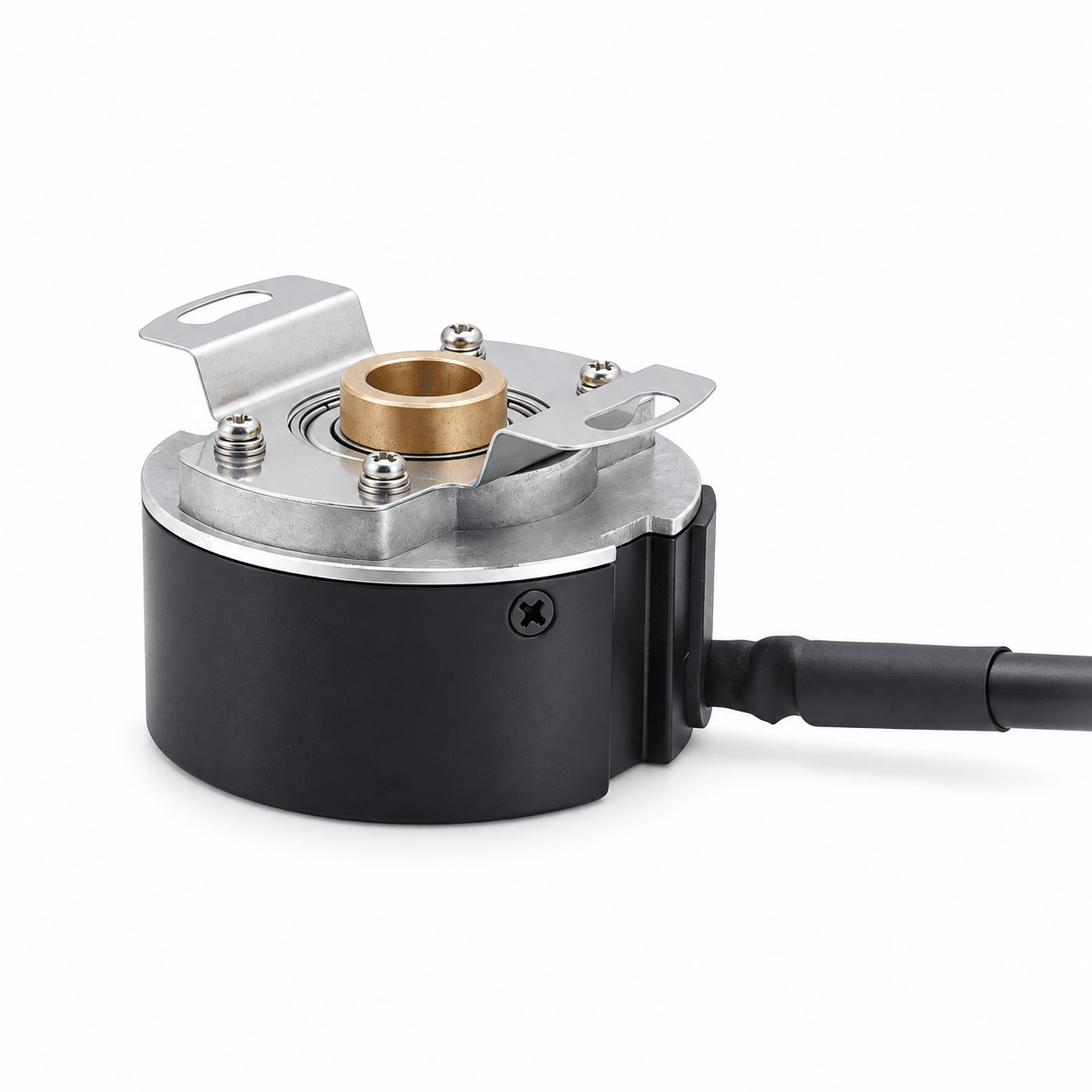
High-precision optical-grating absolute feedback for servo motors, CNC spindles and precision drive systems.
View parameters and drawings →COMMON QUESTIONS
Send the existing model, machine application, controller interface, supply, resolution, turn range, shaft or bore, flange, connector, cable length, environment and quantity.
Not automatically. Shaft geometry, flange pattern, mounting depth, supply, output, protocol, pinout, scaling and environmental rating must also match.
Required resolution depends on the mechanical ratio, desired machine resolution, control margin and system accuracy. More bits or pulses do not correct backlash, mounting error or mechanical flexibility.
RELATED GUIDANCE
EDITORIAL SCOPE
FOSAI consolidates available supplier technical material into a buyer-oriented selection guide. Parameters, certifications and compatibility are not generalized across every model; the final suffix, controlled drawing and project conditions must be confirmed before ordering.
MODEL SELECTION SUPPORT
Include the existing model, controller interface, supply, measurement range, shaft or mounting drawing, environment and quantity.
Request technical selection →