Is 4–20 mA better than 0–10 V?
Neither is universally better. 4–20 mA is often more robust over longer industrial runs, while voltage output can be simpler when the controller and wiring environment are suitable.
Encoder interface guide
Compare 4–20 mA, 0–10 V and 0–5 V absolute encoder and draw-wire position outputs for PLC integration.
DIRECT ANSWER
SELECTION TABLE
Use this table as an initial engineering checklist. Final model configuration must be confirmed against the controller, mechanical drawing and operating environment.
ENGINEERING PROCESS
Confirm the PLC analog input type and supply.
Define the physical zero and full-scale angle or travel.
Calculate required accuracy from sensor linearity and PLC conversion.
Confirm cable length, grounding, enclosure and mechanical drawing.
RELEVANT PRODUCTS
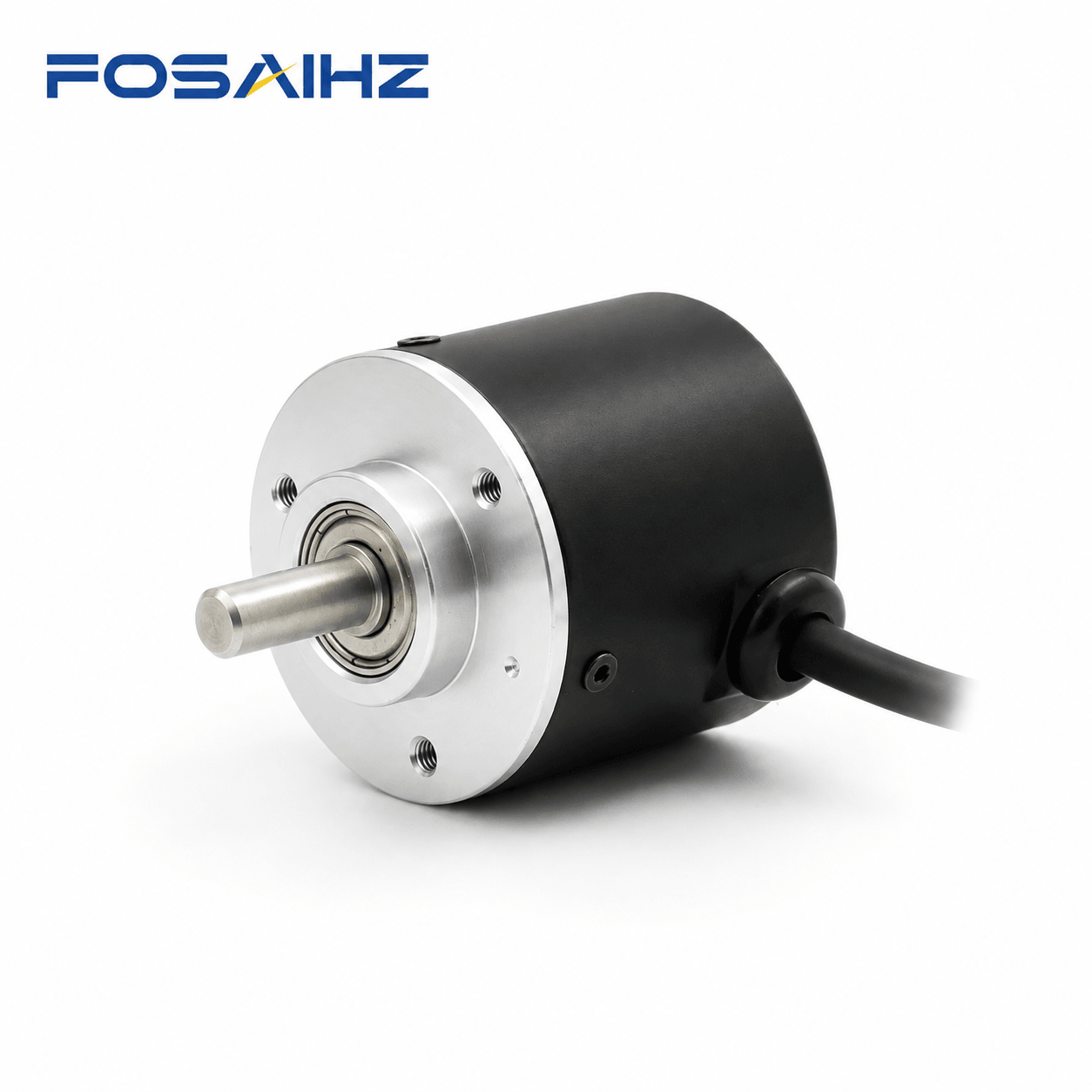
Non-contact IP54 absolute angle measurement for direct PLC analog input.
View parameters and drawings →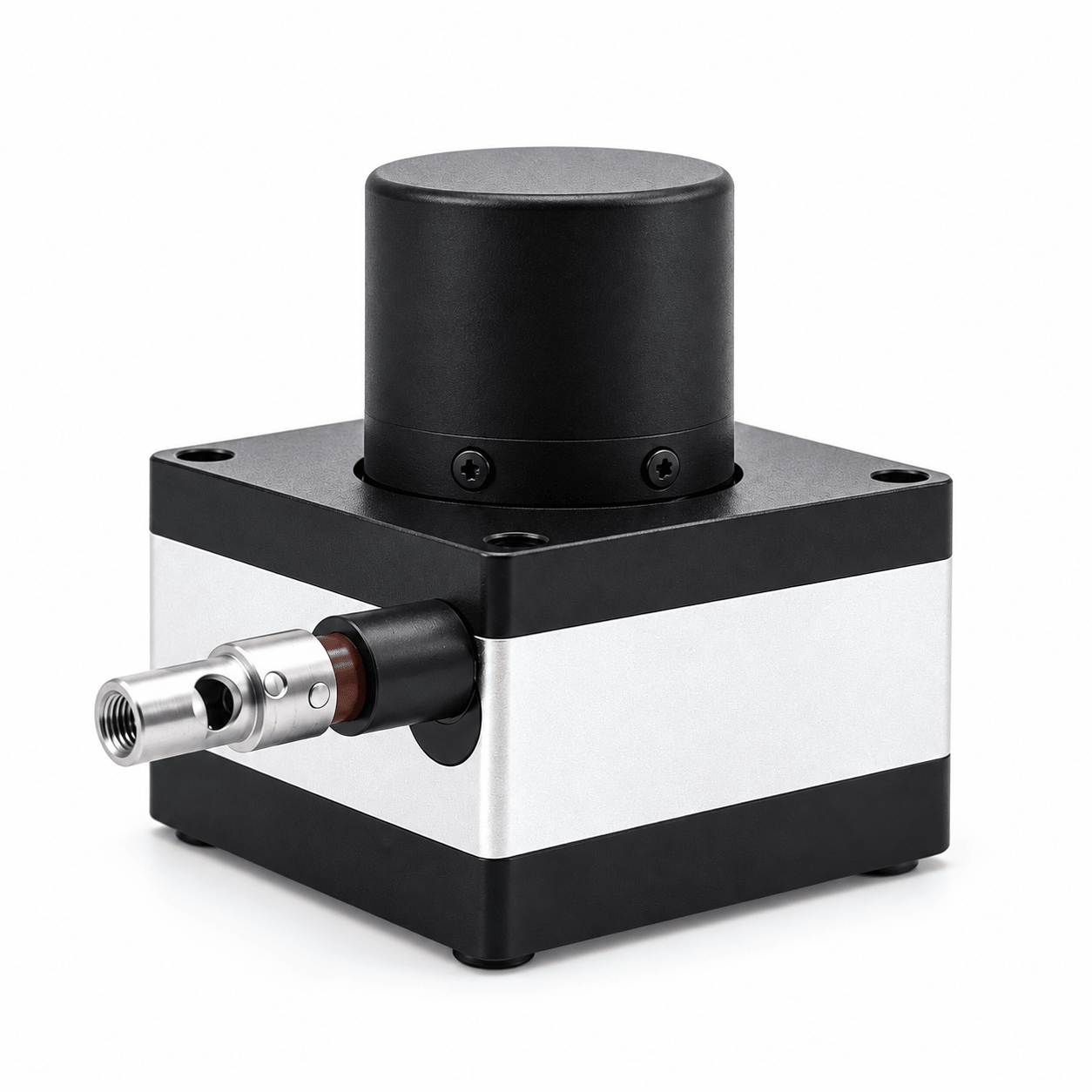
Direct analog linear-position feedback for standard PLC current and voltage inputs.
View parameters and drawings →COMMON QUESTIONS
Neither is universally better. 4–20 mA is often more robust over longer industrial runs, while voltage output can be simpler when the controller and wiring environment are suitable.
An absolute sensing element can report the current physical position after power returns. Whether multi-turn history is retained depends on the specific encoder design.
Many industrial analog encoder configurations allow direction, zero and span settings, but the exact adjustment method must be confirmed by model.
RELATED GUIDANCE
EDITORIAL SCOPE
FOSAI consolidates available supplier technical material into a buyer-oriented selection guide. Parameters, certifications and compatibility are not generalized across every model; the final suffix, controlled drawing and project conditions must be confirmed before ordering.
MODEL SELECTION SUPPORT
Include the existing model, controller interface, supply, measurement range, shaft or mounting drawing, environment and quantity.
Request technical selection →