Can the measuring cable run around a pulley?
Only if the sensor manufacturer and application design permit it. A pulley changes alignment, friction and fatigue conditions, so it must be reviewed rather than assumed.
Displacement sensor guide
Define the travel, output, accuracy, cable path, duty cycle and environment before comparing models.
DIRECT ANSWER
SELECTION TABLE
Use this table as an initial engineering checklist. Final model configuration must be confirmed against the controller, mechanical drawing and operating environment.
ENGINEERING PROCESS
Measure the minimum, maximum and possible overtravel.
Choose the controller interface and supply.
Define required linearity, resolution, speed and duty cycle.
Plan a straight cable path without side loading or impact.
Confirm enclosure, mounting and controlled drawing.
RELEVANT PRODUCTS
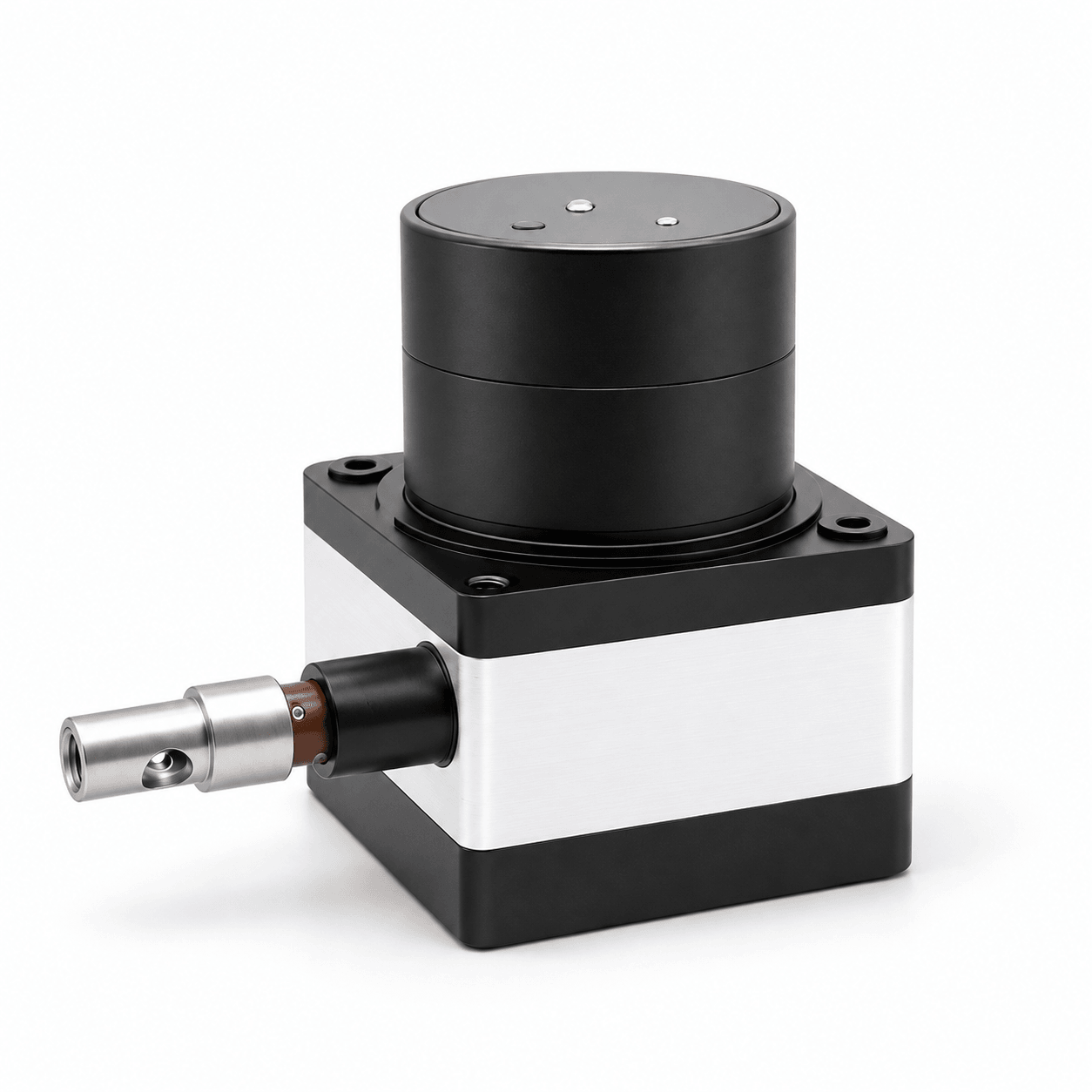
Absolute linear position and speed feedback with power-off memory for short, medium and long travel.
View parameters and drawings →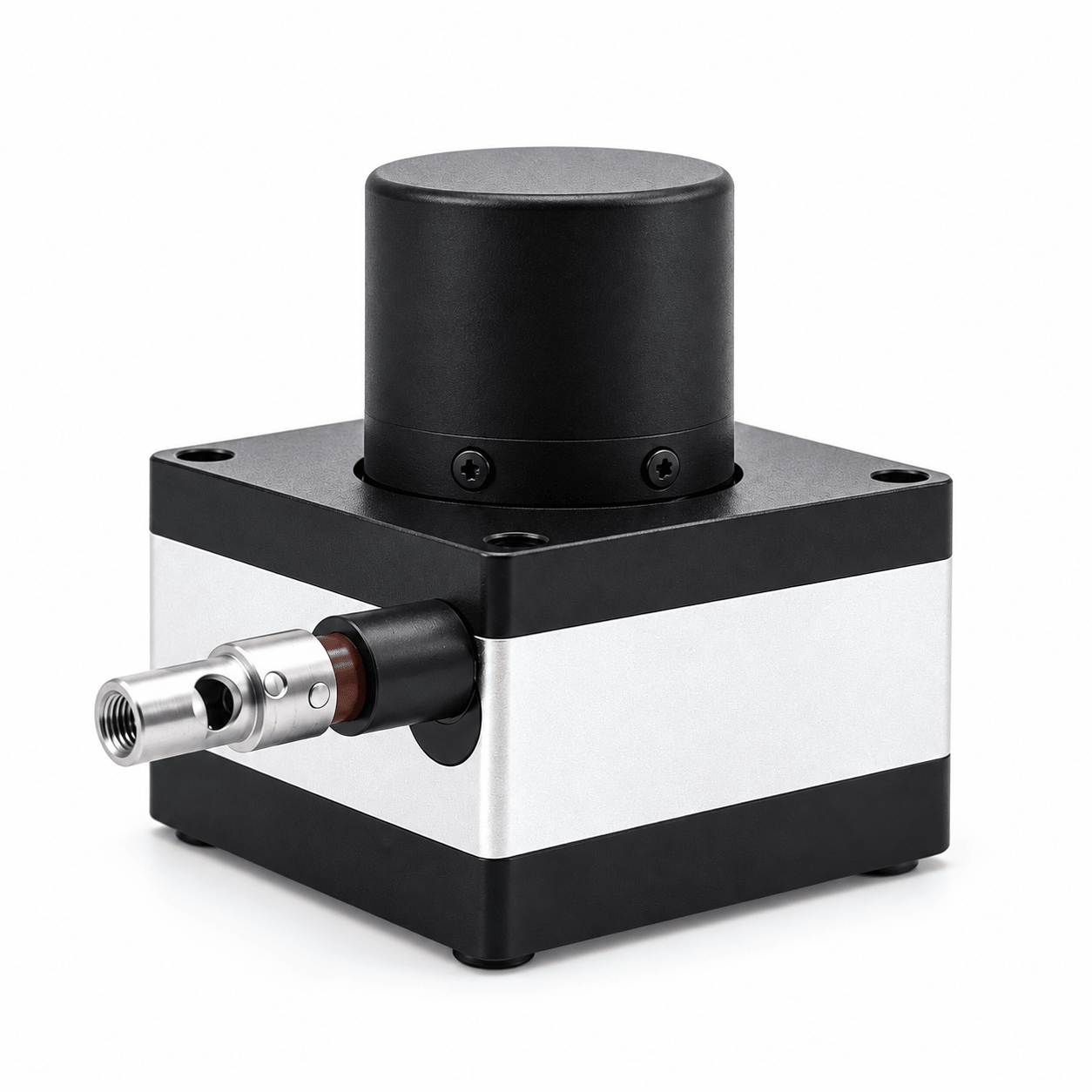
Direct analog linear-position feedback for standard PLC current and voltage inputs.
View parameters and drawings →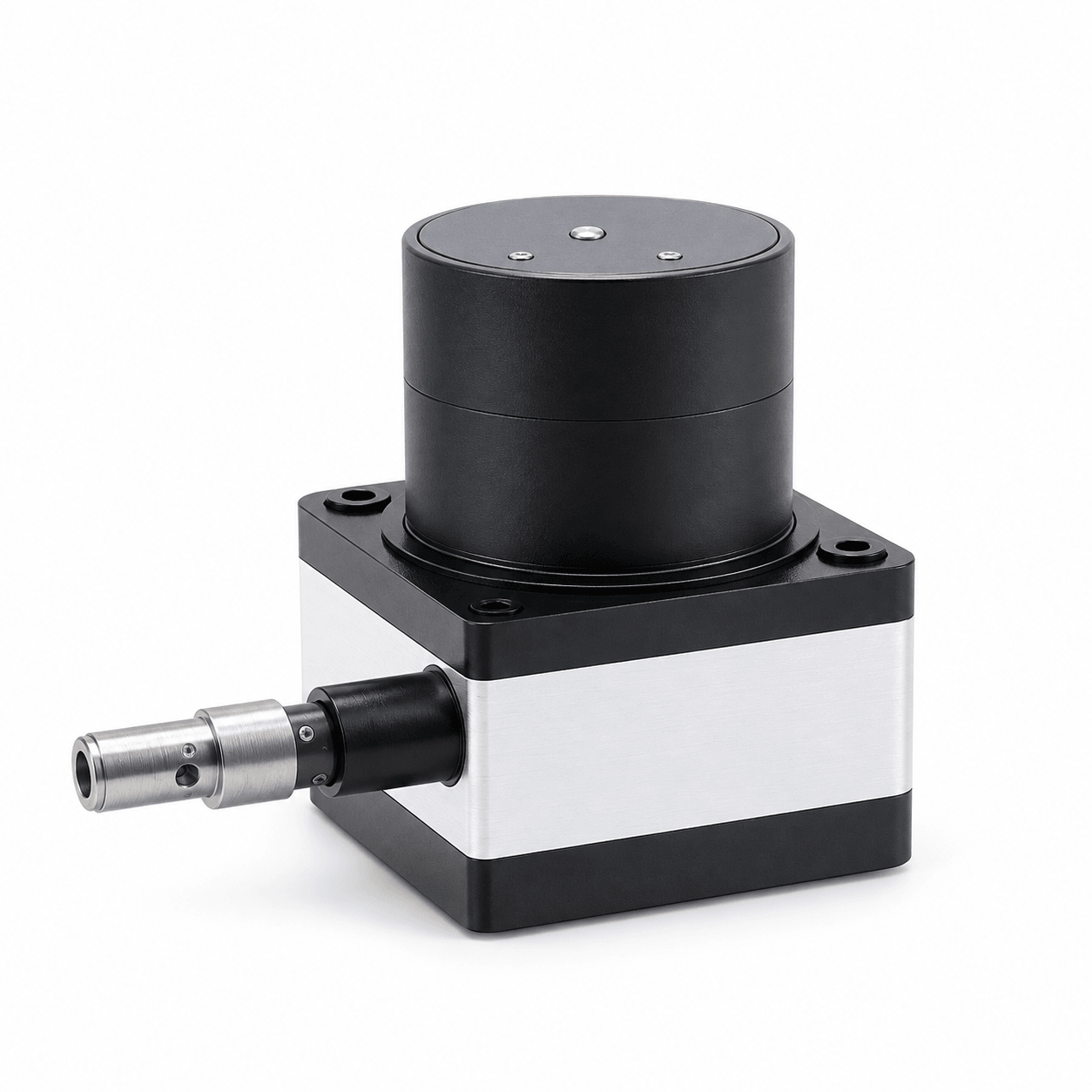
Protected linear-position measurement for outdoor, washdown and water-infrastructure applications.
View parameters and drawings →COMMON QUESTIONS
Only if the sensor manufacturer and application design permit it. A pulley changes alignment, friction and fatigue conditions, so it must be reviewed rather than assumed.
Usually include reasonable setup and overtravel margin while preserving the required resolution and package size. Do not allow the mechanism to pull beyond the rated range.
Use the output supported by the controller and environment: analog for straightforward PLC input, incremental for relative motion, or digital absolute protocols for retained position and configuration.
RELATED GUIDANCE
EDITORIAL SCOPE
FOSAI consolidates available supplier technical material into a buyer-oriented selection guide. Parameters, certifications and compatibility are not generalized across every model; the final suffix, controlled drawing and project conditions must be confirmed before ordering.
MODEL SELECTION SUPPORT
Include the existing model, controller interface, supply, measurement range, shaft or mounting drawing, environment and quantity.
Request technical selection →